


As a supplier of special thick sheets, I often receive inquiries from customers in cold climates about whether our products can be used effectively in such challenging environments. In this blog post, I'll explore the suitability of special thick sheets in cold climates, drawing on scientific knowledge and real - world experience.
Understanding the Properties of Special Thick Sheets
Special thick sheets, such as Special Thick Acrylic Sheets, are known for their unique physical and chemical properties. Acrylic, for example, is a thermoplastic material that offers high optical clarity, good impact resistance, and excellent weatherability. These properties make it a popular choice for a wide range of applications, from architectural glazing to industrial components.

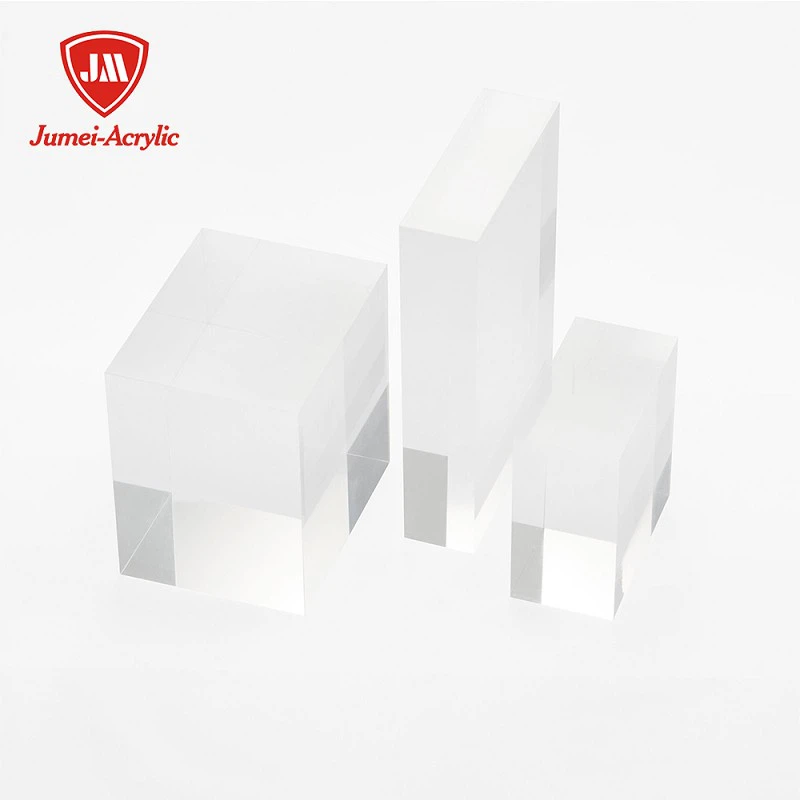
One of the key considerations when using special thick sheets in cold climates is their thermal properties. Acrylic has a relatively low thermal conductivity, which means it can act as an insulator to some extent. This can be beneficial in cold climates, as it helps to reduce heat transfer through the sheet, keeping the interior warmer and potentially reducing energy costs.
The Impact of Cold Temperatures on Special Thick Sheets
While special thick sheets have some insulating properties, cold temperatures can still have an impact on their performance. One of the main concerns is the increased brittleness of the material at low temperatures. Acrylic, like many plastics, becomes more rigid and less flexible as the temperature drops. This can make the sheet more prone to cracking or shattering if it is subjected to impact or stress.
However, the degree of brittleness depends on several factors, including the type of acrylic, the thickness of the sheet, and the specific temperature range. For example, 50mm Thick Acrylic Sheet and 2 Inch Thick Acrylic Sheet are generally more resistant to cracking than thinner sheets due to their greater mass and structural integrity.
Another factor to consider is the coefficient of thermal expansion. All materials expand and contract with changes in temperature, and acrylic is no exception. In cold climates, the contraction of the sheet can cause stress on any joints or fixtures, potentially leading to leaks or other issues. To mitigate this, it's important to design installations with proper expansion joints and allowances for thermal movement.
Applications of Special Thick Sheets in Cold Climates
Despite the challenges posed by cold temperatures, special thick sheets can still be used effectively in a variety of applications in cold climates. Here are some examples:
Architectural Glazing
In cold climates, energy efficiency is a top priority for buildings. Special thick acrylic sheets can be used as an alternative to traditional glass in windows and skylights. Their insulating properties help to reduce heat loss, while their high optical clarity allows for natural light to enter the building. Additionally, acrylic is lighter than glass, which can reduce the structural load on the building.
Greenhouses
Greenhouses are essential for growing plants in cold climates. Special thick acrylic sheets can be used to construct the walls and roofs of greenhouses, providing a clear and durable enclosure. The insulating properties of acrylic help to maintain a stable temperature inside the greenhouse, protecting the plants from the cold.
Outdoor Signage
Outdoor signage needs to withstand harsh weather conditions, including cold temperatures. Special thick acrylic sheets are a popular choice for signage due to their durability and weatherability. They can be easily cut, shaped, and printed on, making them suitable for a wide range of signage applications.
Best Practices for Using Special Thick Sheets in Cold Climates
To ensure the successful use of special thick sheets in cold climates, it's important to follow some best practices:
Choose the Right Material
Not all special thick sheets are created equal. When selecting a sheet for use in a cold climate, it's important to choose a material that is specifically designed to withstand low temperatures. Look for acrylic sheets that have been tested and certified for cold - weather use.
Proper Installation
Proper installation is crucial to the performance of special thick sheets in cold climates. Make sure to follow the manufacturer's installation instructions carefully, and use the appropriate fasteners and sealants. Allow for proper expansion and contraction of the sheet by providing sufficient clearance and using expansion joints.
Maintenance
Regular maintenance is important to keep special thick sheets in good condition. Clean the sheets regularly with a mild detergent and water, and avoid using abrasive cleaners or tools that could scratch the surface. Inspect the sheets periodically for signs of damage or wear, and repair or replace any damaged areas as needed.
Conclusion
In conclusion, special thick sheets can be used effectively in cold climates, but it's important to understand their properties and limitations. By choosing the right material, following proper installation procedures, and performing regular maintenance, you can ensure that your special thick sheets will provide long - lasting performance in even the coldest environments.
If you're interested in learning more about our special thick sheets or have any questions about using them in cold climates, please don't hesitate to contact us. We'd be happy to discuss your specific needs and provide you with a customized solution.
References
- "Properties of Acrylic Plastics" by the Plastics Industry Association
- "Thermal Performance of Building Envelopes" by the American Society of Heating, Refrigerating and Air - Conditioning Engineers (ASHRAE)
- "Outdoor Signage Materials and Their Durability" by the Sign Association of America