


Do clear acrylic sheets scratch easily? This is a question that often pops up when people are considering using clear acrylic sheets for various applications. As a supplier of high - quality clear acrylic sheets, I've encountered this concern numerous times from our customers. In this blog, I'll delve into the factors that influence the scratch resistance of clear acrylic sheets and provide some practical tips to keep them looking pristine.

Understanding Clear Acrylic Sheets
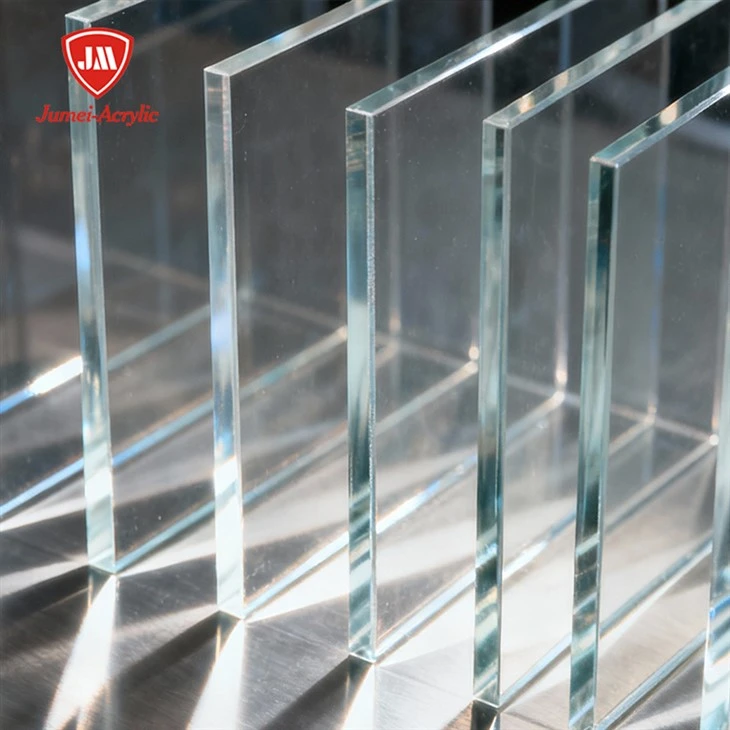
Clear acrylic sheets, also known as Transparent Acrylic Sheet, are a popular alternative to glass. They are made from polymethyl methacrylate (PMMA), a thermoplastic material. Acrylic sheets offer several advantages over glass, such as being lighter in weight, more impact - resistant, and easier to fabricate. They are widely used in applications like display cases, signage, windows, and even in some artistic projects.
Scratch Resistance of Clear Acrylic Sheets
The scratch resistance of clear acrylic sheets is a complex topic. Unlike glass, which has a relatively high hardness on the Mohs scale (around 5.5 - 7), acrylic has a lower hardness, typically around 2 - 3 on the Mohs scale. This means that, in general, acrylic is more prone to scratching compared to glass. However, the actual scratch - susceptibility depends on several factors.
Surface Treatment
One of the key factors affecting scratch resistance is the surface treatment of the acrylic sheet. Some of our Thermoformable Clear Acrylic Sheets come with a special scratch - resistant coating. This coating acts as a protective layer, making the sheet more resistant to minor scratches. For example, in high - traffic areas where the sheet may come into contact with various objects, a scratch - resistant coating can significantly extend the lifespan of the acrylic sheet.
Molecular Weight
The molecular weight of the acrylic also plays a role. High Molecular Weight Clear Acrylic Sheets tend to have better scratch resistance. Higher molecular weight means that the polymer chains in the acrylic are longer and more intertwined. This results in a more durable material that can withstand more abrasion before showing visible scratches.
Usage Environment
The environment in which the acrylic sheet is used is another important factor. In a clean, controlled environment, the risk of scratching is relatively low. However, in industrial settings where there are a lot of abrasive particles in the air or where the sheet is likely to be rubbed against rough surfaces, the chances of scratching increase significantly. For instance, if an acrylic sheet is used in a workshop where metal shavings or sand are present, it is more likely to get scratched compared to a sheet used in an office setting.
How to Minimize Scratching
Even though clear acrylic sheets may be more scratch - prone than glass, there are several steps that can be taken to minimize scratching and keep the sheets looking great.
Proper Handling
When handling acrylic sheets, it's important to use clean gloves to avoid leaving fingerprints and to prevent any debris on your hands from scratching the surface. Also, when moving the sheets, make sure to support them properly to avoid flexing, which can cause micro - scratches.
Cleaning Techniques
Using the right cleaning products and techniques is crucial. Avoid using abrasive cleaners or rough sponges. Instead, use a mild soap and water solution and a soft, lint - free cloth. Gently wipe the surface in a circular motion to clean the sheet. After cleaning, rinse the sheet thoroughly with clean water and dry it with a soft cloth to prevent water spots.
Protective Films
Most of our clear acrylic sheets come with a protective film on one or both sides. It's advisable to keep this film on as long as possible during installation and handling. The film acts as a temporary barrier against scratches and can be removed once the sheet is in place.
Applications and Scratch Tolerance
Different applications have different scratch tolerance levels. For some applications, minor scratches may not be a big issue. For example, in a display case where the focus is on the items inside, a few small scratches on the acrylic may not be very noticeable. However, in applications where optical clarity is of utmost importance, such as in camera lenses or high - end display windows, even the slightest scratch can be a problem.
In cases where scratch tolerance is low, it may be worth investing in high - quality, scratch - resistant acrylic sheets or applying additional protective coatings. Our sales team can help you choose the right product based on your specific application requirements.
Comparing with Other Materials
When comparing clear acrylic sheets with other materials, it's important to consider the trade - offs. While glass may be more scratch - resistant, it is also heavier and more prone to shattering. Polycarbonate, another alternative, is extremely impact - resistant but may have a slightly lower optical clarity compared to acrylic. Acrylic offers a good balance between optical clarity, impact resistance, and ease of fabrication, despite its lower scratch resistance.
Conclusion
In conclusion, clear acrylic sheets do have a relatively lower scratch resistance compared to glass, but with the right surface treatment, proper handling, and appropriate usage, the risk of scratching can be significantly reduced. Our company offers a wide range of clear acrylic sheets, including Transparent Acrylic Sheet, Thermoformable Clear Acrylic Sheets, and High Molecular Weight Clear Acrylic Sheets, to meet different customer needs.
If you're interested in purchasing clear acrylic sheets for your project, or if you have any questions about scratch resistance or other product features, please don't hesitate to contact us. Our team of experts is ready to assist you in making the right choice and ensuring that you get the best product for your application.
References
- "Acrylic Plastics Handbook" by George E. Meyer
- "Plastics Technology Handbook" edited by Howard S. Katz
- Industry research reports on clear acrylic sheet performance and properties.