


As a supplier of special thick sheets, I often receive inquiries from customers about how to attach these thick sheets to other materials. This process can be quite challenging due to the unique properties of thick sheets, such as their weight, thickness, and material composition. In this blog post, I will share some effective methods and considerations for attaching special thick sheets to various materials.
Understanding the Special Thick Sheets
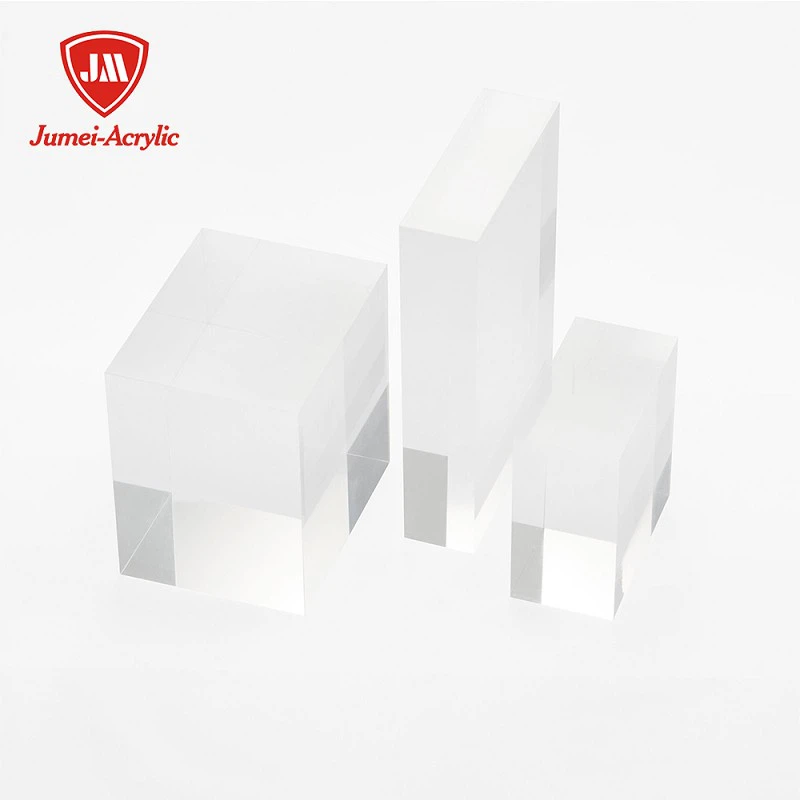
Before we delve into the attachment methods, it's essential to understand the nature of special thick sheets. Special thick sheets can be made from a variety of materials, including acrylic, glass, metal, and plastic. Each material has its own characteristics, such as strength, flexibility, and chemical resistance. For example, a 2 Inch Thick Acrylic Sheet is lightweight, shatter - resistant, and has excellent optical clarity, but it requires specific attachment techniques to maintain its integrity.
Factors to Consider Before Attachment
- Material Compatibility: Ensure that the adhesive or attachment method you choose is compatible with both the special thick sheet and the material it will be attached to. For instance, some adhesives may not bond well with certain plastics or metals, leading to a weak joint.
- Environmental Conditions: Consider the environment where the attached materials will be placed. Factors such as temperature, humidity, and exposure to chemicals can affect the performance of the attachment. For outdoor applications, you need an adhesive that can withstand UV rays and extreme weather conditions.
- Load - Bearing Requirements: Determine the amount of weight or stress the attachment will need to support. If the thick sheet will be subjected to heavy loads, a stronger attachment method, such as mechanical fastening or a high - strength adhesive, may be required.
Attachment Methods
Adhesive Bonding
Adhesive bonding is one of the most common methods for attaching special thick sheets to other materials. It offers a clean and seamless appearance and can distribute stress evenly across the joint.
- Selecting the Right Adhesive: There are various types of adhesives available, including epoxy, polyurethane, and silicone. Epoxy adhesives are known for their high strength and excellent chemical resistance, making them suitable for bonding thick sheets to metal or wood. Polyurethane adhesives are flexible and can withstand vibration, which is ideal for applications where movement may occur. Silicone adhesives are waterproof and heat - resistant, making them a good choice for outdoor or high - temperature environments.
- Surface Preparation: Proper surface preparation is crucial for a successful adhesive bond. The surfaces of both the thick sheet and the other material should be clean, dry, and free of dust, grease, and contaminants. You can use a mild detergent and water to clean the surfaces, followed by a rinse with clean water and drying with a lint - free cloth. In some cases, sanding the surfaces slightly can increase the adhesive's grip.
- Application Process: Apply the adhesive evenly to one of the surfaces using a brush, roller, or a dispensing gun. Follow the manufacturer's instructions regarding the amount of adhesive to use and the curing time. Once the adhesive is applied, press the two surfaces together firmly and hold them in place for the recommended time to allow the adhesive to bond.
Mechanical Fastening
Mechanical fastening involves using screws, bolts, rivets, or clips to attach the special thick sheet to another material. This method provides a strong and reliable connection, especially for heavy - duty applications.

- Screws and Bolts: Screws and bolts are commonly used for attaching thick sheets to wood, metal, or plastic. When using screws, drill pilot holes in the thick sheet and the other material to prevent cracking. Choose the appropriate size and type of screw or bolt based on the load - bearing requirements. For example, for a thick acrylic sheet, use self - tapping screws designed for plastic materials.
- Rivets: Rivets are a permanent fastening solution that can provide a strong joint. They are often used in applications where a smooth exterior surface is required. To install rivets, drill holes in both the thick sheet and the other material, insert the rivet, and use a rivet gun to deform the rivet and secure the joint.
- Clips and Brackets: Clips and brackets can be used to attach thick sheets quickly and easily. They are suitable for applications where disassembly may be required in the future. Choose clips and brackets made from materials that are compatible with the thick sheet and the other material.
Welding (for Metal Thick Sheets)
If the special thick sheet is made of metal, welding can be an effective attachment method. Welding creates a strong and permanent bond between the metal sheets.
- Types of Welding: There are several types of welding processes, including arc welding, MIG (Metal Inert Gas) welding, and TIG (Tungsten Inert Gas) welding. Arc welding is a simple and cost - effective method for joining thick metal sheets. MIG welding is faster and more suitable for large - scale projects, while TIG welding provides a high - quality and precise weld.
- Safety Precautions: Welding is a dangerous process that requires proper safety precautions. Wear protective gear, such as welding gloves, a welding helmet, and protective clothing. Ensure that the welding area is well - ventilated to prevent the inhalation of harmful fumes.
Case Studies
Attaching a 2 - Inch Thick Acrylic Sheet to a Wooden Frame
A customer wanted to attach a 2 Inch Thick Acrylic Sheet to a wooden frame for a display case. After considering the load - bearing requirements and the desire for a seamless appearance, we recommended using an epoxy adhesive. First, the surfaces of the acrylic sheet and the wooden frame were cleaned with a mild detergent and dried thoroughly. Then, a two - part epoxy adhesive was mixed according to the manufacturer's instructions and applied evenly to the wooden frame. The acrylic sheet was carefully placed on the frame and pressed firmly to ensure a good bond. After the adhesive cured for 24 hours, the attachment was strong and the display case looked great.
Joining a Thick Metal Sheet to a Steel Structure
In another case, a construction company needed to attach a thick metal sheet to a steel structure for a building project. Due to the heavy load - bearing requirements, we suggested using MIG welding. The metal sheets were prepared by cleaning and beveling the edges to ensure a proper weld. A professional welder used a MIG welding machine to join the sheets together. The resulting weld was strong and met all the structural requirements of the project.
Conclusion
Attaching special thick sheets to other materials requires careful consideration of the materials, environmental conditions, and load - bearing requirements. Whether you choose adhesive bonding, mechanical fastening, or welding, following the proper procedures and using the right tools and materials is essential for a successful attachment.
If you are interested in purchasing special thick sheets or need more information about attachment methods, please feel free to contact us. We are here to provide you with high - quality products and professional advice to meet your specific needs.
References
- “Adhesive Technology Handbook” by John A. Manson and Leslie H. Sperling.
- “Mechanical Fastening in Engineering” by John W. Dally and Wallace F. Riley.
- “Welding Principles and Applications” by Larry Jeffus.