


What is the hardness of black and white acrylic sheets?
As a supplier of Black and White Acrylic Sheet, I frequently encounter inquiries about the hardness of these unique materials. Understanding the hardness of black and white acrylic sheets is crucial for both manufacturers and end - users, as it directly impacts the applications, durability, and overall performance of the product.
Understanding Hardness in Materials
Before delving into the specific hardness of black and white acrylic sheets, it's essential to understand the concept of hardness in materials. Hardness is a measure of a material's resistance to deformation, indentation, abrasion, or scratching. Different industries use various hardness scales to quantify this property, and two of the most relevant ones for acrylic sheets are the Rockwell hardness scale and the Barcol hardness scale.
The Rockwell hardness test measures the depth of penetration of an indenter under a large load relative to the penetration under a pre - load. It is widely used in the plastics industry to evaluate the hardness of various polymers. The Barcol hardness test, on the other hand, uses a spring - loaded indenter that measures the resistance of a material to an indentation. It provides a quick and relatively non - destructive way to assess the hardness of acrylics.
Hardness of Black and White Acrylic Sheets
Black and white acrylic sheets typically have a hardness that falls within a certain range common to acrylic materials in general. The hardness of standard acrylic sheets can vary based on factors such as the manufacturing process, the presence of additives, and the thickness of the sheet.

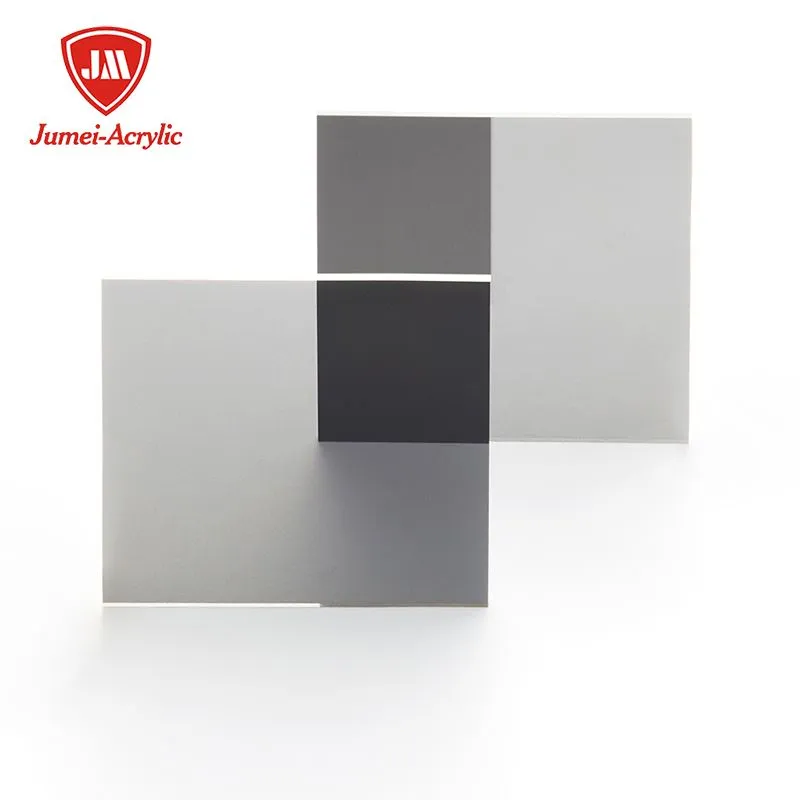
Most black and white acrylic sheets have a Barcol hardness in the range of 40 - 50. This level of hardness indicates that the material is relatively resistant to surface scratches and can withstand moderate levels of handling and usage without significant damage. However, compared to some other materials like glass or certain metals, acrylics are still more prone to scratching.
In terms of Rockwell hardness, black and white acrylic sheets usually have a Rockwell M hardness in the range of 70 - 80. This value suggests that the material has a good degree of rigidity and can maintain its shape under normal conditions. The combination of relatively high Rockwell and Barcol hardness makes black and white acrylic sheets suitable for a variety of applications where both appearance and durability are important.
Factors Affecting the Hardness of Black and White Acrylic Sheets
Manufacturing Process
The way black and white acrylic sheets are manufactured plays a significant role in determining their hardness. For example, extrusion - molded acrylic sheets may have different hardness characteristics compared to cast acrylic sheets. Extrusion involves forcing the molten acrylic through a die to form a continuous sheet. This process can result in a more uniform structure, which may contribute to consistent hardness across the sheet.
Cast acrylic sheets, on the other hand, are made by pouring liquid acrylic into a mold and allowing it to cure. The curing process can be controlled to some extent, and different curing times and temperatures can affect the final hardness of the sheet. Generally, cast acrylic sheets may have a slightly higher hardness compared to extruded ones due to the more controlled curing environment.
Additives
Additives are often incorporated into black and white acrylic sheets to enhance certain properties. For instance, UV stabilizers are added to protect the sheet from the harmful effects of sunlight, and impact modifiers can improve the sheet's resistance to breakage. However, these additives can also influence the hardness of the sheet.
UV stabilizers typically do not have a significant impact on hardness. But impact modifiers, which are usually elastomeric materials, can reduce the overall hardness of the acrylic sheet to some degree. This is because the elastomeric components add flexibility to the material, making it more resistant to impact but also slightly softer.
Thickness
The thickness of the black and white acrylic sheet can also affect its perceived hardness. Thicker sheets generally appear to be harder in practical use because they are more resistant to bending and deformation. A thicker acrylic sheet can distribute the load over a larger area, making it less likely to show signs of damage under pressure.
Applications and Hardness Requirements
The hardness of black and white acrylic sheets is a key factor in determining their suitability for different applications.
Signage
In the signage industry, black and white acrylic sheets are widely used. The relatively high hardness of these sheets ensures that they can maintain their smooth surface and sharp edges over time, even when exposed to outdoor elements. For example, a black - and - white acrylic signboard on a busy street corner needs to resist scratches from dust, debris, and accidental contact. The 40 - 50 Barcol hardness range is sufficient to keep the sign looking presentable for an extended period.
Interior Design
In interior design, black and white acrylic sheets are used for partitions, wall panels, and decorative elements. The hardness of the sheets allows them to be cut, shaped, and installed without significant damage. For example, in a modern office space, black and white acrylic partitions can add a touch of elegance. The sheet's ability to resist scratches ensures that the partitions will maintain their aesthetic appeal over time.
Retail Displays
Retailers often use black and white acrylic sheets for product displays. The hardness of the sheets is important to ensure that they can support the weight of the displayed items without sagging or deforming. Additionally, a hard surface is less likely to get scratched during the frequent handling of products on and off the display.
Comparing with Other Materials
When comparing black and white acrylic sheets with other commonly used materials, it's evident that they offer a unique combination of features.
Compared to glass, black and white acrylic sheets are much lighter, which makes them easier to handle and install. While glass is generally harder on the Mohs hardness scale, it is also more brittle and prone to shattering. Acrylic sheets, with their relatively good hardness and high impact resistance, are a safer alternative in applications where there is a risk of breakage.
In comparison to some plastics like polycarbonate, black and white acrylic sheets have a different hardness profile. Polycarbonate is known for its extremely high impact resistance but can be more prone to scratching compared to acrylic. Acrylic sheets offer a better balance between scratch resistance and overall durability for many applications.
High Performance Acrylic and Day - Night Acrylic Sheets
Our company also offers High Performance Acrylic Day Night Acrylic Sheet. These specialized sheets are engineered to provide enhanced performance in various conditions. The hardness of these high - performance sheets is carefully calibrated to ensure optimal functionality.
Day - night acrylic sheets, such as our Day and Night Acrylic Sheet, are designed to have different visual effects depending on the lighting conditions. They need to maintain their hardness and clarity to ensure that the day - and - night effects are consistent. The manufacturing process of these sheets is optimized to achieve the desired hardness while preserving other important properties like light transmission and color stability.
Importance of Hardness in Sourcing
For customers looking to source black and white acrylic sheets, understanding the hardness is essential. A supplier with in - depth knowledge of the hardness characteristics of their products can provide valuable guidance on which type of sheet is best suited for a particular application.
When we, as a supplier, communicate with customers, we take into account their specific requirements regarding hardness. For example, if a customer is planning to use the sheets for an outdoor application where they will be exposed to harsh weather and potential abrasion, we may recommend a sheet with a higher Barcol hardness.
Contact for Purchase and Negotiation
If you are interested in purchasing black and white acrylic sheets, or if you have any questions regarding the hardness or other properties of our products, please feel free to contact us. We are committed to providing high - quality products and excellent customer service. Our team of experts is ready to assist you in finding the most suitable black and white acrylic sheets for your needs. Whether it's for a small - scale project or a large - scale industrial application, we can offer competitive prices and reliable delivery.
References
- Plastics Engineering Handbook, 5th Edition
- Polymer Science and Technology, 3rd Edition
- Acrylic Sheet Manufacturer's Technical Documentation