


Hey there! As a supplier of 2 Inch Thick Acrylic Sheet, I often get asked about the impact resistance of these sheets. So, I thought I'd take a moment to share some insights on this topic.
First off, let's talk about what acrylic is. Acrylic, also known as polymethyl methacrylate (PMMA), is a synthetic thermoplastic. It's a popular material in various industries because of its transparency, light weight, and ease of fabrication. But when it comes to a 2-inch thick acrylic sheet, one of the most crucial aspects people are interested in is how well it can withstand impacts.
Understanding Impact Resistance
Impact resistance refers to a material's ability to absorb energy when it's struck by an object and resist cracking, breaking, or shattering. For a 2-inch thick acrylic sheet, this property is pretty impressive compared to many other materials.
Acrylic has a natural toughness that comes from its molecular structure. The long chains of polymer molecules in acrylic can stretch and bend when an impact occurs, absorbing a significant amount of energy before they break. This is in contrast to materials like glass, which are brittle and tend to shatter upon impact.
Factors Affecting Impact Resistance
There are several factors that can influence the impact resistance of a 2-inch thick acrylic sheet.
1. Quality of the Acrylic
The quality of the raw material used to make the acrylic sheet plays a huge role. High - quality acrylic, which is made with pure polymers and has fewer impurities, will generally have better impact resistance. Cheaper, lower - quality acrylic may have weak spots or inconsistencies in its structure, making it more prone to cracking under impact.
2. Manufacturing Process
The way the acrylic sheet is manufactured also matters. Sheets that are produced using advanced manufacturing techniques, such as extrusion or cell casting, tend to have a more uniform structure. This uniformity helps the sheet distribute the impact energy more evenly, enhancing its overall impact resistance.
3. Environmental Conditions
The temperature and humidity can affect the impact resistance of acrylic. In cold temperatures, acrylic becomes more brittle, and its impact resistance decreases. On the other hand, in high - humidity environments, the acrylic may absorb moisture, which can also weaken its structure over time.
Testing the Impact Resistance
There are standard tests used to measure the impact resistance of acrylic sheets. One of the most common tests is the Izod impact test. In this test, a notched sample of the acrylic sheet is held in a vertical position, and a pendulum is released to strike the sample. The energy absorbed by the sample before it breaks is measured, and this value is used to assess the impact resistance.
For a 2 - inch thick acrylic sheet, the results of these tests are often quite good. The thick layer of acrylic provides more material to absorb the impact energy, and the inherent toughness of the acrylic helps it resist breaking.
Real - World Applications and Impact Resistance
The high impact resistance of 2 - inch thick acrylic sheets makes them suitable for a wide range of real - world applications.
1. Security and Protection
In areas where security is a concern, such as banks, jewelry stores, or high - security facilities, 2 - inch thick acrylic sheets can be used as a transparent barrier. They can withstand attempts to break through, providing a high level of protection without sacrificing visibility.
2. Industrial Equipment
In industrial settings, these sheets can be used in machinery guards. They protect workers from flying debris or accidental impacts while allowing them to monitor the operation of the equipment. The impact resistance of the acrylic ensures that the guard remains intact even in harsh industrial environments.
3. Architectural Applications
In architecture, 2 - inch thick acrylic sheets can be used for skylights, partitions, or even exterior glazing. Their ability to withstand impacts from hail, falling objects, or vandalism makes them a reliable choice for these applications.
Comparing with Other Materials
When compared to other materials commonly used for similar applications, 2 - inch thick acrylic sheets have some distinct advantages in terms of impact resistance.
1. Glass
As mentioned earlier, glass is brittle and shatters easily upon impact. A 2 - inch thick acrylic sheet is much more likely to withstand an impact without breaking into dangerous shards. This makes it a safer option, especially in areas where people are present.
2. Polycarbonate
Polycarbonate is another material known for its high impact resistance. While polycarbonate may have slightly better impact resistance in some cases, 2 - inch thick acrylic sheets offer better optical clarity. So, if clarity is a priority, acrylic can be a great choice.
Maintenance and Impact Resistance
Proper maintenance can also help preserve the impact resistance of a 2 - inch thick acrylic sheet.
1. Cleaning
Use a mild soap and water solution to clean the sheet. Avoid using abrasive cleaners or rough sponges, as they can scratch the surface of the acrylic. Scratches can act as stress concentrators, reducing the impact resistance of the sheet.
2. Storage
When storing the acrylic sheets, make sure they are stored in a dry, cool place. Avoid stacking heavy objects on top of them, as this can cause stress and potentially weaken the sheet's structure.
Conclusion
In conclusion, a 2 - inch thick acrylic sheet has excellent impact resistance, thanks to its inherent toughness, the thickness of the sheet, and the ability to distribute impact energy. However, its performance can be affected by factors such as quality, manufacturing process, and environmental conditions.
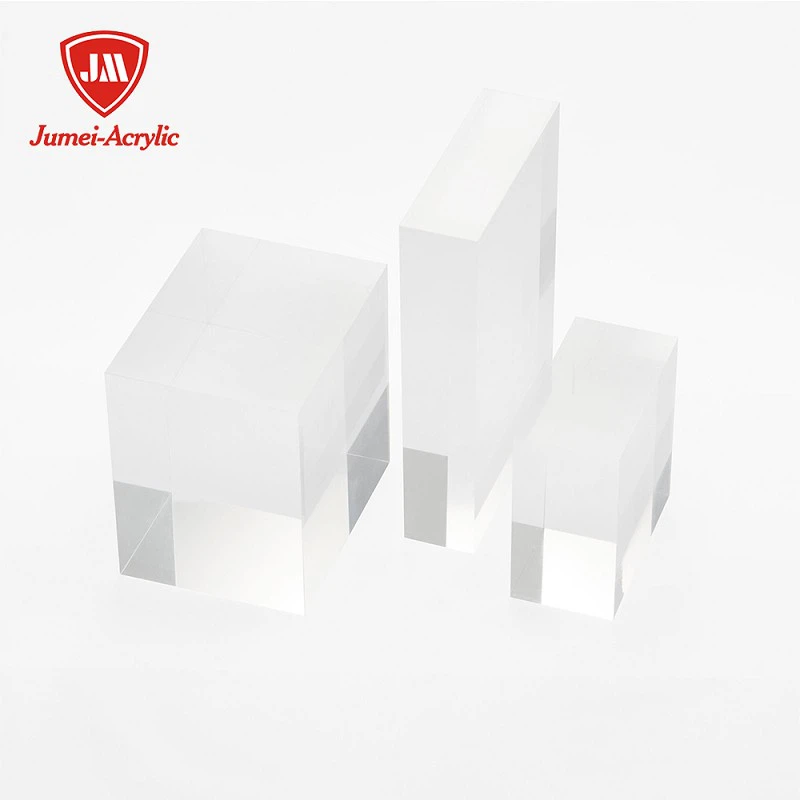

If you're in the market for a material that offers good impact resistance along with transparency and ease of fabrication, a 2 - inch thick acrylic sheet could be the perfect choice for your project. Whether it's for security, industrial, or architectural applications, these sheets can provide reliable protection.
If you're interested in learning more about our 2 Inch Thick Acrylic Sheet or would like to discuss a potential purchase, feel free to reach out. We're here to answer all your questions and help you find the right solution for your needs.
References
- ASTM International. "Standard Test Methods for Determining the Izod Pendulum Impact Resistance of Plastics."
- "Acrylic Plastics: Properties and Applications" by John W. Lyons.