


As a supplier of day night acrylic sheets, I'm excited to take you through the intricate production process of these remarkable materials. Day night acrylic sheets are widely used in various industries, from advertising and signage to interior design, thanks to their unique ability to display different visuals during the day and at night. Let's delve into the steps involved in creating these versatile sheets.
Raw Material Selection
The first and most crucial step in the production of day night acrylic sheets is the selection of high - quality raw materials. Acrylic, also known as polymethyl methacrylate (PMMA), is the primary material used. We source our acrylic resin from trusted suppliers who adhere to strict quality control standards. The resin should have excellent optical clarity, high impact resistance, and good weatherability.
The purity of the acrylic resin is essential as it directly affects the final appearance and performance of the day night acrylic sheets. Impurities in the resin can lead to defects such as bubbles, streaks, or discoloration. We carefully inspect the raw materials upon arrival to ensure they meet our specifications. This includes testing for properties like viscosity, molecular weight, and chemical composition.

Polymerization
Once the raw acrylic resin is selected, the polymerization process begins. Polymerization is the chemical reaction in which small molecules, called monomers, combine to form long chains, known as polymers. In the case of acrylic, methyl methacrylate monomers are polymerized to form PMMA.
There are different methods of polymerization, but the most common one for producing acrylic sheets is the bulk polymerization method. In this process, the methyl methacrylate monomers are mixed with a catalyst and an initiator. The catalyst helps to speed up the reaction, while the initiator starts the polymerization process. The mixture is then poured into a mold, usually made of glass or metal, and heated to a specific temperature.
As the temperature rises, the monomers start to react with each other, forming a solid polymer. The polymerization process can take several hours to complete, depending on the size and thickness of the sheet being produced. During this time, it's crucial to control the temperature and the reaction rate to ensure a uniform and high - quality polymer.
Sheet Forming
After the polymerization is complete, the solid acrylic polymer is in the form of a large block. The next step is to transform this block into sheets of the desired thickness and size. There are several methods for sheet forming, including extrusion, casting, and calendering.
Extrusion is a widely used method for producing continuous sheets of acrylic. In this process, the solid acrylic block is first heated until it becomes molten. The molten acrylic is then forced through a die, which gives the sheet its shape and thickness. The extruded sheet is then cooled and wound onto a roll.
Casting is another method, especially suitable for producing high - quality, thick acrylic sheets. In casting, the molten acrylic is poured into a mold, where it cools and solidifies. This method allows for more precise control of the sheet's thickness and surface finish.
Calendering involves passing the molten acrylic between a series of heated rollers to form a sheet. This method is often used for producing thinner sheets with a smooth surface.
Day and Night Effect Creation
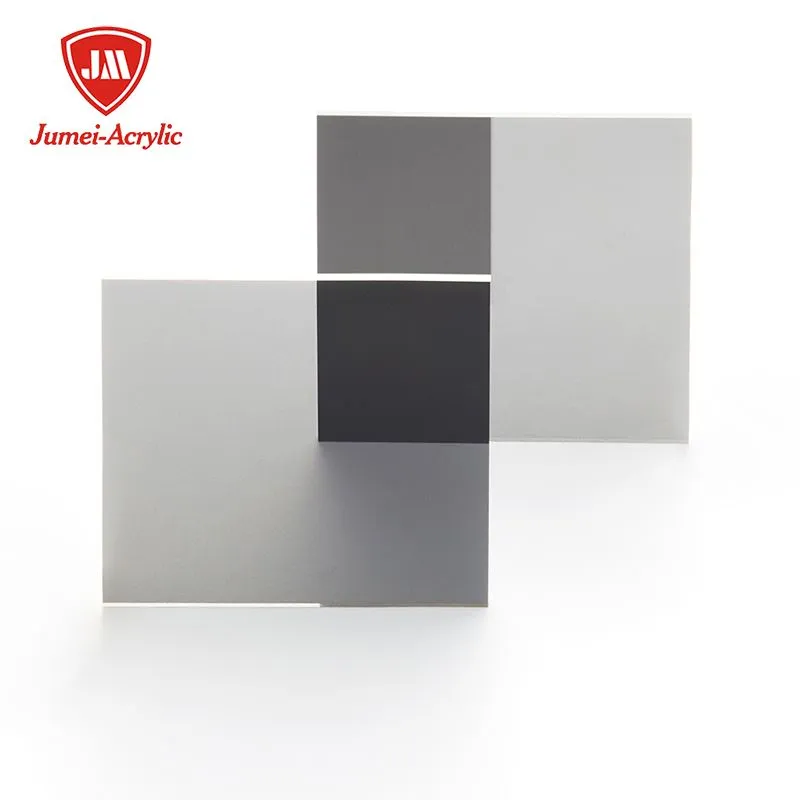
The unique day and night effect of these acrylic sheets is created through a special printing or coating process. During the day, the sheet may display a white or light - colored background with a design or message. At night, when illuminated from behind, the design becomes visible against a dark background.
One common way to achieve this effect is by using a black and white printing technique. A black ink is used to print the design on one side of the acrylic sheet, while a white ink is used to cover the rest of the surface. During the day, the white background reflects light, making the design less visible. At night, when a light source is placed behind the sheet, the black ink absorbs the light, making the design stand out.
Another method is to use a special coating that has different optical properties during the day and at night. These coatings can be applied to the surface of the acrylic sheet using a variety of techniques, such as spraying or dipping.
Quality Control
Quality control is an integral part of the production process. At every stage, from raw material selection to the final product, we conduct rigorous quality checks to ensure that the day night acrylic sheets meet our high standards.
We use various testing methods to evaluate the quality of the sheets. For example, we measure the thickness and flatness of the sheets using precision instruments. We also test the optical properties, such as transparency and light transmission, to ensure that the sheets have the desired visual effect.
In addition, we perform durability tests, such as impact resistance and weatherability tests, to ensure that the sheets can withstand the harsh conditions of their intended applications. Any sheets that do not meet our quality standards are rejected and recycled.
Packaging and Shipping
Once the day night acrylic sheets pass the quality control tests, they are ready for packaging and shipping. We take great care in packaging the sheets to prevent damage during transit. The sheets are usually wrapped in protective plastic film and placed in sturdy cardboard boxes.
We also provide detailed product information and installation instructions with each shipment. Our goal is to ensure that our customers receive their products in perfect condition and have all the information they need to use them effectively.
Conclusion
The production process of day night acrylic sheets is a complex and multi - step process that requires careful attention to detail and strict quality control. From the selection of high - quality raw materials to the creation of the unique day and night effect, every step plays a crucial role in producing a product that meets the needs of our customers.
If you are interested in our Acrylic Day and Night Sheets, Black and White Acrylic Sheet, or High Performance Acrylic Day Night Acrylic Sheet, we invite you to contact us for more information and to discuss your specific requirements. We are committed to providing the highest quality products and excellent customer service. Whether you are a small business looking for a unique signage solution or a large corporation in need of high - performance acrylic sheets for your interior design project, we have the expertise and the products to meet your needs. Reach out to us today to start a fruitful business relationship.
References
- Modern Plastics Encyclopedia. McGraw - Hill.
- "Acrylic Polymers: Science and Technology" by A. D. Jenkins.